
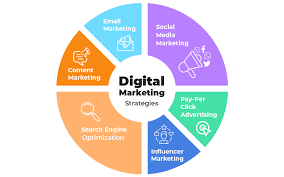
Digital marketing can be a game-changer for businesses, but it all starts with having a solid marketing strategy template. A digital marketing strategy is a plan that outlines how a business will reach its customers online and achieve its goals, defining the overall marketing approach. In this guide, we’ll walk through everything you need to know to create an effective digital marketing strategy even if you’re starting your new business.
What is a Digital Marketing Strategy?
A digital marketing strategy is a roadmap that helps a business connect with its audience using online channels like social media, search engines, emails, and websites. The goal is to reach the right people through effective marketing activities, engage them, and eventually turn them into loyal customers.
Why Digital Marketing Strategy Matters
Having a strategy in place helps businesses focus their efforts on what works. It saves time, makes spending more effective, and leads to better results for your sales and marketing teams through efficient digital marketing tactics. Without a plan, it’s easy to waste time on channels that don’t reach your audience or fail to get the results you want, which is why developing a digital marketing strategy helps you focus on effective online marketing strategies.
Core Components of a Successful Digital Marketing Strategy
Setting Clear Goals and Objectives
Every good marketing strategy involves clear goals. SMART goals—Specific, Measurable, Achievable, Relevant, and Time-bound re a popular method. For example, a SMART goal could be: “Increase website traffic by 20% in six months.”
Understanding and Analyzing Your Target Audience
Knowing your audience is crucial. Research things like your audience’s age, interests, and online habits to improve your digital marketing strategy. This helps you create messages that resonate and choose the best channels to reach them.
Competitive Analysis: Learning from Industry Leaders
Research your competitors to understand what works and what doesn’t in your industry, as this will inform your digital space strategy. Look at their websites, social media, and the types of content they publish. This will help you identify gaps and opportunities to stand out in your current digital marketing efforts and develop a strong digital marketing strategy.
Choosing the Right Digital Marketing Channels
There are many ways to reach people online: social media, email, search engines, and more. Choose the channels that make the most sense for your audience and goals. For example, if your audience is younger, social media might be key in developing a digital marketing strategy. For a business audience, LinkedIn or email might be better.
Types of Digital Marketing Strategies to Consider
Content Marketing Strategy
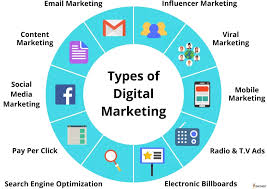
Content marketing involves creating and sharing valuable content to attract and engage an audience. This can include blog posts, videos, or guides as part of your online marketing initiatives. The idea is to provide helpful information that keeps your audience coming back as part of your marketing techniques.
SEO Strategy for Maximum Visibility
SEO, or search engine optimization. is all about making your website show up higher in search engine results as part of effective online marketing strategies. By targeting specific keywords and optimizing your site, you increase the chances of people finding you on Google.
Social Media Marketing Strategy
Social media marketing services focuses on building a presence on social media platforms like Facebook, Instagram, and Twitter to enhance your marketing goal. Here, you can connect with your audience through posts, stories, and videos. The key is to be consistent and engage with followers as part of your overall strategy.
PPC Advertising Strategy
PPC, or pay-per-click advertising, is a way to get quick visibility by paying for ads on search engines or social media. You set a budget and only pay when someone clicks on your ad, which is essential for creating a digital marketing strategy. It’s a good option if you want fast results.
Email Marketing Strategy for Customer Retention
Email marketing allows you to stay connected with your customers. Through newsletters or special offers, you can keep people engaged and encourage repeat business.
Influencer Marketing Strategy
Influencer marketing involves partnering with popular figures in your industry who can promote your products, enhancing your overall digital marketing strategy. This is especially effective if you want to reach specific audiences.
Video and Mobile Marketing
With more people using smartphones, mobile marketing has become essential for any current digital marketing strategy. Mobile ads, SMS, and mobile-friendly websites ensure that you reach users wherever they are in your marketing campaigns. Video content, too, is highly engaging and great for grabbing attention, making it a vital component of your digital content strategy.
Step-by-Step Guide to Building Your Digital Marketing Strategy
Step 1: Set SMART Goals for Success
Define goals that are clear, achievable, and time-based. SMART goals make it easier to measure your success.
Step 2: Define and Analyze Your Audience
Get specific about who your ideal customer is. Understanding their interests and needs will help you create email marketing campaigns that connect.
Step 3: Choose the Right Channels and Tactics
Decide where you want to focus your marketing efforts—whether that’s on social media platforms, search engines, or email. Pick the channels that make sense based on your audience research.
Step 4: Create an Effective Content Plan
Develop a plan for sharing valuable digital content that aligns with your marketing tips and fits into your definition of digital marketing strategy. Whether it’s weekly blog posts, monthly newsletters, or daily social media updates, consistency is key.
Step 5: Implement Marketing Automation for Efficiency
Automation tools and email marketing software can save you time by handling repetitive tasks like email scheduling and social media posting, enhancing your overall digital strategy.
Step 6: Measure and Optimize Performance
Regularly check in on your progress by tracking key performance indicators (KPIs) like website traffic, engagement, and conversion rates. Adjust your digital strategy based on what’s working best in your marketing efforts.
Digital Marketing Tools to Support Your Strategy
Tools for SEO and Keyword Research
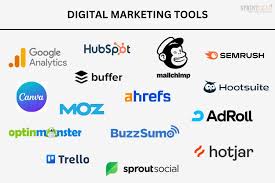
- Google Keyword Planner, Semrush, and Ahrefs are great for finding the right keywords to target and tracking your search engine rankings within your digital marketing efforts.
Content Creation and Scheduling Tools
- Canva, Hootsuite is a valuable marketing software tool for managing your social media platforms effectively. Buffer – These help you create engaging visuals and schedule posts across multiple social media channels.
Email Marketing Tools
- Mailchimp Constant Contact – Platforms to build, send, and track email campaigns effectively.
Analytics and Reporting Tools
- Google Analytics is crucial for tracking the success of your digital marketing activities and understanding your marketing uses. Data Studio helps visualize your marketing uses and campaign performance effectively. – These tools help you analyze your traffic and measure your overall marketing success.
Common Challenges in Digital Marketing Strategy (and How to Overcome Them)
Keeping Up with Trends and Algorithm Changes
Digital marketing evolves quickly, requiring constant adaptation of online marketing strategies. Subscribe to industry blogs and follow updates from platforms like Google to stay informed about the latest forms of digital marketing.
Budget Constraints and Maximizing ROI
If your budget is limited, focus on high-ROI digital channels. Content marketing and SEO, for example, offer long-term benefits and can be cost-effective in your marketing campaigns.
Measuring the Effectiveness of Your Strategy
Data can be overwhelming, so focus on a few key metrics that matter most to your business, like traffic, leads, and sales.
H2: Real-World Examples of Effective Digital Marketing Strategies
Case Study 1: Small Business with a Limited Budget
A local bakery increased sales by using Instagram and local SEO. They posted photos of their treats and used hashtags to reach people nearby, building a loyal following without spending much.
Case Study 2: E-commerce Company Boosting Sales
An online clothing store grew its customer base by using Facebook ads and email marketing, which are effective in creating a digital marketing strategy. They targeted shoppers who visited their site but didn’t buy, sending them discounts to encourage purchases.
Case Study 3: B2B Company Focusing on Lead Generation
A software company used LinkedIn and content marketing to reach other businesses. By sharing informative articles and offering free demos, they attracted and converted leads over time, aligning with their free digital marketing plan.
Future Trends in Digital Marketing Strategy
AI and Automation in Digital Marketing
AI tools are becoming popular for personalizing content and automating tasks, making your marketing team more efficient in executing marketing techniques.
Personalized Marketing and Customer Experience
Personalization helps make your audience feel valued, whether it’s through tailored emails or ads. This trend is expected to grow.
Voice Search and Visual Content
More people are using voice search, so optimizing for questions people ask out loud (like “best coffee near me”) is key to building a comprehensive digital marketing strategy. Visual content like videos and images are also essential for capturing attention.
Frequently Asked Questions (FAQs)
A strategy is a big-picture approach to achieving your goals, while a plan includes the specific steps and actions to get there.
It varies, but you may see results within a few months when you follow a well-structured digital marketing plan template. SEO and content marketing take longer, while PPC can bring faster results in your digital marketing campaign.
Absolutely! A strong marketing strategy will help you succeed. Digital marketing is one of the most cost-effective ways for small businesses to reach new customers and achieve their business goals through various marketing uses like SEO and content marketing.
Some key metrics include website traffic, engagement (likes, shares), conversion rate, and sales.
Conclusion: Start Building Your Digital Marketing Strategy Today
A well-planned digital marketing strategy can help your business reach the right people and achieve long-term growth. With the steps and tools outlined here, you’re ready to start building a digital marketing strategy that works for you. Remember, consistency and regular adjustments are key start small, learn what works, and grow from there. Good luck!
This labeled structure will guide the creation of a well-organized, easy-to-follow, and thorough article on digital marketing strategy and effective marketing tactics.